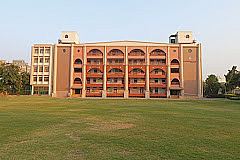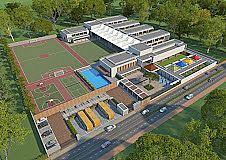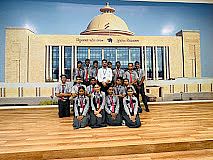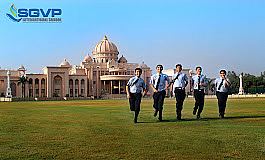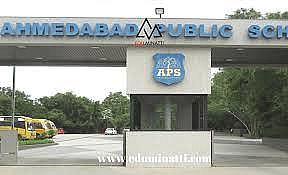

Shanti Asiatic School Ahmedabad is one of the well known educational institutions in Gujarat, recognized for blending modern learning approaches with strong academic foundations and value based education. Located in the vibrant city of Ahmedabad, the school represents a contemporary vision of schooling where education is not limited to textbooks but extends to personality development, creativity, leadership, and life skills. Over the years, it has built a reputation for nurturing young minds in a structured yet student-friendly environment that encourages curiosity, discipline, and innovation.
About Shanti Asiatic School, Ahmedabad, Gujarat
What makes Shanti Asiatic School Ahmedabad distinctive is its philosophy of education. It does not treat students as passive learners but as active participants in their own growth journey. The school environment is designed to help children explore, question, and understand rather than simply memorize. This approach aligns with global education trends that emphasize conceptual clarity, experiential learning, and emotional intelligence alongside academic excellence.
A Vision Rooted in Holistic Education
The school’s vision revolves around holistic development. This means that equal importance is given to academics, co curricular activities, sports, and moral education. Students are encouraged to develop intellectual abilities along with emotional maturity and social responsibility. The aim is to prepare them not just for examinations, but for life beyond school.
Teachers play the role of facilitators rather than traditional instructors. They guide students, encourage discussions, and create interactive learning environments where children feel comfortable expressing their ideas. This approach helps students become confident communicators and independent thinkers.
Academic Excellence and Curriculum Structure
One of the strongest pillars of Shanti Asiatic School Ahmedabad is its academic framework. The school follows a structured curriculum designed to meet both national and international standards. The focus is on building conceptual understanding rather than rote learning.
Subjects such as Mathematics, Science, and Languages are taught using practical examples, experiments, and real life applications. This helps students understand how what they learn in classrooms connects to the world around them. For instance, science lessons often include laboratory experiments and demonstrations, while language classes emphasize reading, writing, storytelling, and public speaking.
The school also ensures continuous evaluation rather than depending solely on final examinations. Regular assessments, projects, quizzes, and presentations help track student progress throughout the academic year. This reduces exam pressure and promotes steady learning habits.
Services
Contact Information
Location Map
📍 Open in Google Maps / Get DirectionsFrequently Asked Questions
Reviews
Similar Businesses Nearby