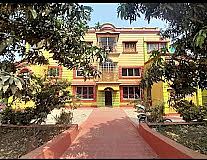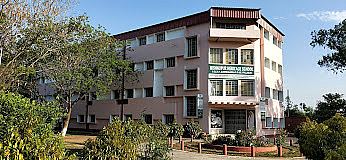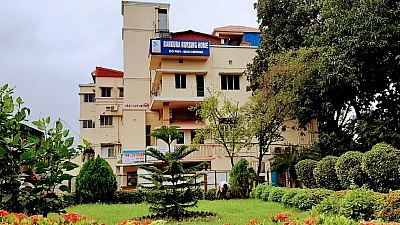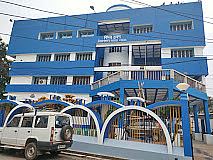
District Primary School Council, Bankura, West Bengal

Education is widely recognized as the cornerstone of social progress, economic development, and personal growth. In the context of rural India, providing quality primary education has historically been both a challenge and a necessity. Recognizing the transformative power of education, the Bengal Rural Primary Education Act of 1930 was introduced to expand access to primary schooling in rural Bengal. This historic legislation laid the foundation for universal primary education in the region, ensuring that every child had the opportunity to learn, grow, and contribute meaningfully to society.
About District Primary School Council, Bankura, West Bengal
In the district of Bankura, the Act was formally enacted on 28th June 1945, marking the beginning of a systematic effort to promote compulsory primary education in rural areas. The Act extended to the entire state of West Bengal except the urban town of Calcutta and any area that had been constituted as a municipality under the Bengal Municipal Act, 1932. By entrusting the District School Board with the responsibilities of administering primary education, the Act aimed to ensure that education reached the most remote villages and underserved communities.
1. Historical Background and Evolution
The District School Board (DSB), which later evolved into the District Primary School Council (DPSC), Bankura, officially commenced its operations in 1946. From its inception, the DSB/DPSC has played a pivotal role in shaping rural education, addressing both access and quality concerns.
Over the decades, legislative measures and reforms have strengthened the framework for primary education. In particular, the West Bengal Primary Education Act of 1973 was enacted to further expand primary education across the state. This legislation received presidential assent on 20th September 1974 and was published in the Calcutta Gazette, Extra Ordinary. The Act emphasized universal, free, and compulsory primary education, reflecting the Indian government’s commitment to fulfilling the constitutional right to education.
Through these legislative frameworks, the DPSC Bankura has been entrusted with ensuring uninterrupted education for children of the primary age group, promoting infrastructural development, recruiting qualified teachers, and implementing national and state level education policies.
2. Mandate and Responsibilities of DPSC, Bankura
The DPSC serves as the central administrative body for primary education in Bankura, overseeing a wide range of functions designed to ensure both quantity and quality of education. Some of the key responsibilities of the DPSC include:
Ensuring Universal Primary Education: The Council strives to enroll all children in the district within the specified age group, thereby eliminating gaps in access to education.
Teacher Recruitment and Training: DPSC manages the recruitment of primary teachers, ensuring that they are qualified, well trained, and aligned with modern pedagogical standards. Orientation programs, refresher courses, and professional development workshops are organized to maintain high teaching standards.
Salary and Welfare Management: The Council oversees the timely payment of teachers’ salaries, provident fund contributions, gratuity, and other entitlements. This ensures that educators are motivated and supported in their professional responsibilities.
Implementation of RTE and ROPA: The Right to Education Act (RTE) and the Recruitment of Primary School Teachers (ROPA) guidelines are strictly implemented to ensure compliance, equitable teacher distribution, and fair recruitment practices.
Infrastructural Development: From establishing new primary schools to maintaining existing infrastructure, the DPSC ensures that school buildings, classrooms, playgrounds, and sanitation facilities are conducive to effective learning.
Support for Teachers’ Families: The DPSC also facilitates compassionate appointments for the wards of deceased teachers, ensuring community support and continuity in public service.
Coordination with Training Institutes: Collaboration with Primary Teacher Training Institutes (PTTI), both government and public, ensures that new recruits receive comprehensive training before entering classrooms.
Monitoring and Evaluation: The Council maintains strict oversight of school performance, teacher attendance, and student enrollment to ensure quality education delivery.
Through these comprehensive services, DPSC Bankura acts as a key driver of rural educational development, supporting both students and educators in achieving excellence.
3. Administrative Structure and Regional Reach
To effectively manage primary education across Bankura, the DPSC has established 45 circle offices throughout the district. Each circle office functions as a local administrative hub, ensuring that educational policies are implemented efficiently at the grassroots level.
These circle offices perform critical tasks such as:
Student Enrollment and Attendance Monitoring: Ensuring that no child is left behind in the pursuit of compulsory education.
Teacher Supervision: Maintaining teacher accountability, performance evaluation, and professional development.
Infrastructure Maintenance: Regular inspections of classrooms, playgrounds, and sanitation facilities to ensure a safe and healthy learning environment.
Community Engagement: Collaborating with local communities, parents, and Panchayats to promote awareness of the importance of primary education.
Despite these robust structures, DPSC operations occasionally face challenges due to shortages of requisite staff, which can affect routine administrative tasks and timely service delivery. Nevertheless, the Council continues to strive for excellence in managing and expanding the district’s primary education network.
4. Focus on Quality and Holistic Development
While access to education is a core priority, quality of education remains equally important. DPSC Bankura emphasizes the following:
Curriculum Enhancement: Updating teaching materials, incorporating new pedagogical methods, and promoting child centered learning.
Teacher Capacity Building: Organizing workshops, seminars, and orientation programs to upgrade teaching skills and pedagogical knowledge.
Assessment and Evaluation: Implementing regular assessments to monitor student progress, identify learning gaps, and design remedial strategies.
Co Curricular Integration: Encouraging schools to include sports, arts, and environmental education as part of holistic child development.
Inclusive Education: Special attention is given to girls, children from marginalized communities, and children with disabilities, ensuring equitable access and learning opportunities.
By focusing on both infrastructure and teaching quality, the DPSC aims to create primary schools that are vibrant centers of learning, nurturing not just academic skills but also social, emotional, and ethical development.
Services
Contact Information
Location Map
📍 Open in Google Maps / Get DirectionsFrequently Asked Questions
Reviews
Similar Businesses Nearby