ASRAM HOSPITALS, Eluru, Andhra Pradesh

ASRAM Hospitals is one of the most recognized multi specialty healthcare institutions in the West Godavari region of Andhra Pradesh. Over the years, it has grown from being a regional medical facility into a large tertiary care teaching hospital that serves not only Eluru city but also surrounding districts such as Krishna, West Godavari, parts of Guntur, and even patients coming from neighboring states. Its presence has significantly influenced the healthcare landscape of coastal Andhra Pradesh by improving access to advanced medical care in a region that traditionally depended on distant metropolitan hospitals.
About ASRAM HOSPITALS, Eluru, Andhra Pradesh
What makes ASRAM Hospitals stand out is not just its size or infrastructure, but the way it blends patient care, medical education, and community health outreach. It functions as both a hospital and a teaching institution, which means it constantly balances two responsibilities: treating patients with modern medical standards and training the next generation of doctors, nurses, and allied health professionals.
The Origin and Vision of ASRAM Hospitals
ASRAM Hospitals was established with a vision to create a self sufficient healthcare and medical education ecosystem in the region. The idea was not only to treat illness but also to build medical capacity locally so that people from smaller towns and rural villages would not need to travel to cities like Hyderabad, Chennai, or Vijayawada for advanced treatment.
From its early days, the institution aimed to combine affordability with advanced healthcare. Over time, this vision expanded into a large campus with multiple departments, specialty units, diagnostic centers, and medical colleges attached to it. The hospital is part of the larger ASRAM Medical College and Hospital system, which plays a major role in producing qualified healthcare professionals every year.
Infrastructure and Campus Environment
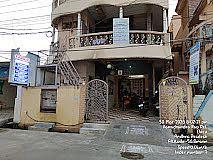
The ASRAM campus is designed to function like a medical city. It includes hospital blocks, outpatient departments (OPDs), inpatient wards, operation theatres, diagnostic labs, academic buildings, hostels, and residential quarters for staff and students.
The hospital infrastructure is divided into several functional zones:
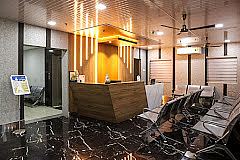
Outpatient Department (OPD) Complex: This is usually the first point of contact for most patients. It includes consultation rooms for different specialties, registration counters, and waiting areas.
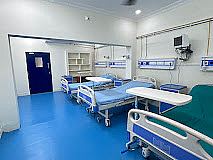
Inpatient Wards: Separate wards for general medicine, surgery, orthopedics, pediatrics, gynecology, and other specialties ensure organized patient care.
Intensive Care Units (ICUs): Equipped with modern monitoring systems, ventilators, and emergency response systems for critical patients.
Operation Theatres (OTs): Modular and sterile surgical units designed for both routine and complex surgeries.
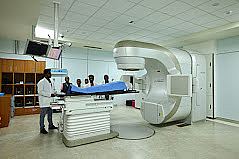
Diagnostic Wing: Includes imaging services like X ray, ultrasound, CT scan, and sometimes MRI, along with pathology and microbiology labs.
Emergency Department: A 24/7 trauma and emergency care unit capable of handling accidents, cardiac emergencies, and critical medical situations.
The campus environment is typically busy yet structured, reflecting the constant flow of patients, students, and medical professionals.
Services
Contact Information
Location Map
📍 Open in Google Maps / Get DirectionsFrequently Asked Questions
Reviews
Similar Businesses Nearby