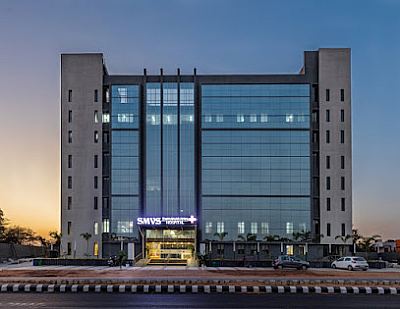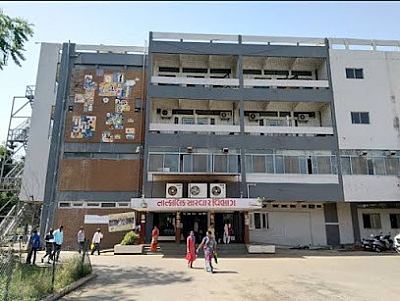
GMERS Civil Hospital, Gandhinagar, Gujarat

GMERS Medical College, Gandhinagar began its academic journey with a vision to provide high quality medical education and produce skilled healthcare professionals capable of serving society. The first batch of 150 MBBS students was admitted in August 2012, marking an important milestone in the development of the institution. Since its inception, the college has been dedicated to creating a strong academic environment that combines theoretical learning with practical exposure and patient care.
About GMERS Civil Hospital, Gandhinagar, Gujarat
The MBBS program at the college follows a structured curriculum designed to help students develop strong medical knowledge, clinical skills, and professional ethics. The total duration of the course is four and a half years, followed by a one year compulsory rotational internship. During this period, students are trained in multiple medical disciplines to ensure they gain a comprehensive understanding of healthcare and clinical practice.
The program is carefully divided into three major phases First MBBS, Second MBBS, and Third MBBS each focusing on different aspects of medical science and patient care. With the guidance of experienced faculty members and access to modern medical facilities, students are prepared to face the challenges of the medical profession with confidence and competence.
Academic Structure of the MBBS Course
The MBBS course is designed to gradually introduce students to medical science, beginning with basic human biology and moving toward clinical medicine and patient management. Each phase of the course has a specific duration and includes a combination of classroom teaching, laboratory work, practical training, and hospital exposure.
First MBBS Foundation of Medical Science
The First MBBS phase lasts for one year and focuses on building a strong foundation in basic medical sciences. During this period, students are introduced to the structure and functioning of the human body as well as the scientific principles that support medical practice.
The main subjects studied during the first year include:
Human Anatomy
Human Anatomy is one of the most fundamental subjects in medical education. It involves the detailed study of the structure of the human body. Students learn about bones, muscles, organs, nerves, and blood vessels. Practical training includes cadaver dissection, which allows students to gain hands-on experience and understand the real structure of the human body.
Human Physiology
Physiology focuses on understanding how the different systems of the body function. Students study processes such as blood circulation, respiration, digestion, nerve conduction, and hormonal regulation. Laboratory experiments and demonstrations help students observe physiological processes and understand how the body maintains balance and health.
Biochemistry
Biochemistry explains the chemical processes that occur within living organisms. Students learn about proteins, carbohydrates, lipids, enzymes, vitamins, and metabolic pathways. Understanding biochemistry helps future doctors identify the biochemical basis of diseases and the mechanisms behind many treatments.