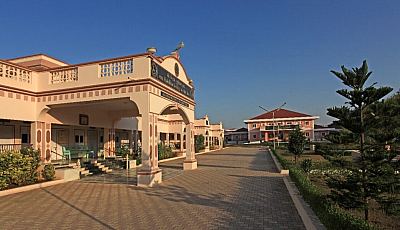

In the remote landscape of Kutch, where access to advanced healthcare has historically been limited, Bidada Hospital stands as a remarkable example of commitment, compassion, and community service. Established in the early 1980s, this 80 bed healthcare facility has steadily grown into a vital lifeline for thousands of people living in and around the village of Bidada. Over the decades, the hospital has evolved from a modest rural clinic into a multi service institution that addresses a wide range of medical needs while maintaining a deeply human and patient centered approach.
About Shree Bidada Sarvodaya Trust Hospital, Kutch, Gujarat
When Bidada Hospital first opened its doors, the region faced significant challenges in accessing quality healthcare. Villagers often had to travel long distances to cities for even basic treatments, which was both time consuming and costly. Recognizing this gap, the founders envisioned a healthcare center that would bring reliable, affordable, and compassionate medical services directly to the people.
This vision continues to guide the hospital today. Rather than focusing solely on treatment, the institution emphasizes holistic well being, prevention, and community outreach. It is not just a place where illnesses are treated it is a center where lives are improved, restored, and supported.
Comprehensive Healthcare Services
One of the defining strengths of Bidada Hospital is its wide range of services, designed to meet diverse medical needs under one roof. Despite being located in a rural setting, the hospital provides care comparable to urban facilities, ensuring that patients do not have to leave their community for essential treatments.
Eye Care Services
Eye health is a major focus at the hospital. Many people in rural areas suffer from preventable or treatable vision problems due to lack of awareness and access. The hospital offers year-round ophthalmology services, including eye examinations, cataract surgeries, vision correction, and preventive care.
Special camps are often organized to identify patients with vision impairments, particularly among the elderly. These initiatives have restored sight to countless individuals, significantly improving their quality of life and independence.
Services
Contact Information
Location Map
📍 Open in Google Maps / Get DirectionsFrequently Asked Questions
Reviews
Similar Businesses Nearby