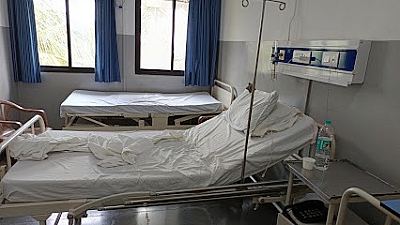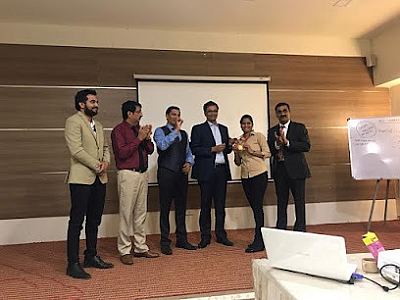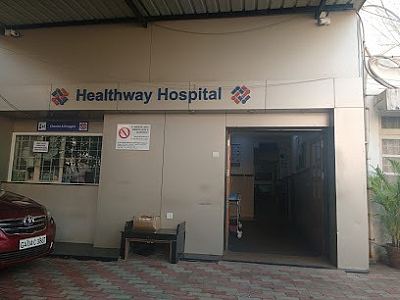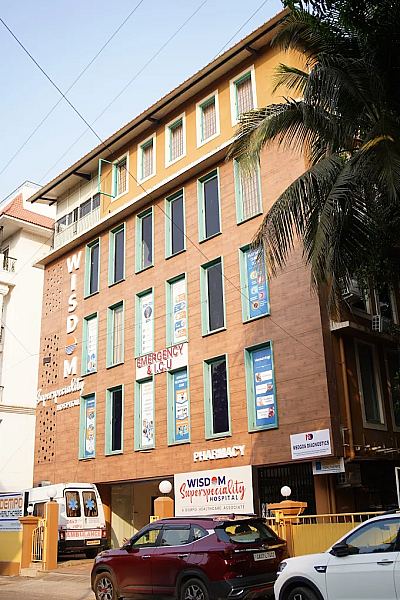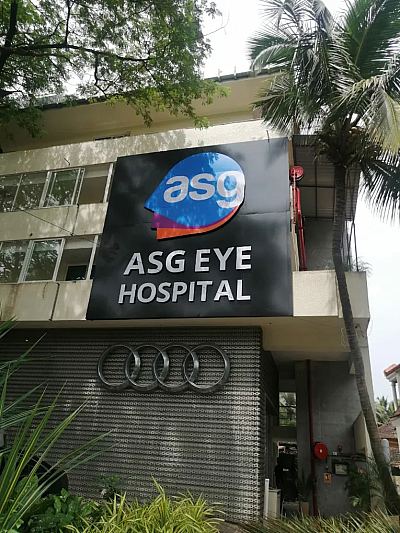

Welcome to ApexCare Multispeciality Hospital: Your Trusted Partner in Advanced Healthcare Nestled in the heart of Panaji, ApexCare is more than just a hospital—it's a commitment to your health and well-being. Our cutting-edge facility is designed to provide the highest quality care, blending the latest medical technology with a compassionate, patient-centered approach. At ApexCare, we’ve assembled a dedicated team of highly skilled professionals who are passionate about providing world-class healthcare. Our hospital is equipped with state-of-the-art technology, ensuring that you receive the most accurate diagnoses and effective treatments available. We offer a wide range of specialized services to cater to all your health needs, including: Orthopaedics Obstetrics & Gynecology General Medicine General Surgery Pediatrics Urology Cardiology Oncology Emergency & Casualty Services In addition, we provide advanced diagnostic services like pathology, CT scans, ultrasounds, bone densitometry, and X-rays, all designed to give you the most comprehensive care possible. At ApexCare, your health is our top priority, and we’re here to provide you with the best care—every step of the way.
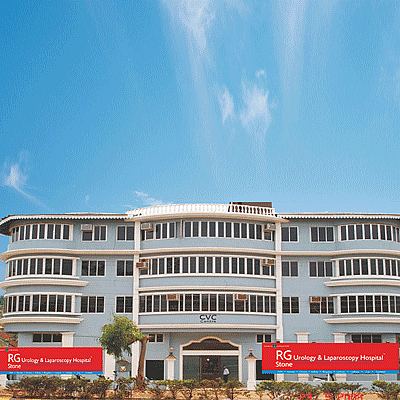
About RG Stone Urology & Laparoscopy Hospital, Panaji, Pilern
RG Stone Urology & Laparoscopy Hospital: Pioneering Excellence in Urological Care
Founded in 1986 in Mumbai, RG Stone Urology & Laparoscopy Hospital has grown into India's largest network of urology and laparoscopy centers, with 17 locations nationwide. Renowned for its advanced, minimally invasive treatments, RG Stone is a leader in providing effective solutions for kidney stones, gallstones, hernias, tumors, and prostate issues. With over 7,50,000 successful procedures performed, the hospital is synonymous with innovation and patient-centered care.
RG Stone's groundbreaking treatments include:
Lithotripsy for kidney stones
Laparoscopy for gallstones, hernias, and tumors
Laser Surgery for prostate and urinary stones
The hospital’s exceptional care is not only celebrated within India but across the globe. RG Stone holds the Guinness World Record for treating the largest kidney stone, measuring 13 cm, and has provided care to patients of all ages—from a 7-month-old infant to a 107-year-old senior citizen.
In addition to its remarkable treatment success, RG Stone extends its influence globally through surgeon training programs and a steadfast dedication to minimally invasive procedures. This commitment has earned RG Stone worldwide recognition as a symbol of excellence in urological treatment.
The Visionary Behind RG Stone Hospitals
Dr. Bhim Sen Bansal, often referred to as the ‘Father of Lithotripsy in India’, is the pioneering Chairman and Managing Director of RG Stone Urology & Laparoscopy Hospital. His journey began with a small stone clinic in Mumbai, which has now grown into the world’s largest chain of urology hospitals.
Born in 1935 in Delhi, Dr. Bansal completed his MBBS from SMS Medical College, Jaipur, and his FCGP from Delhi. Driven by a passion for advancing urological care, Dr. Bansal has transformed RG Stone into a trusted healthcare institution with 17 centers across India. His leadership, expertise, and vision have been the cornerstone of RG Stone’s success.
Dr. Bansal’s contributions to the field have earned him numerous prestigious awards, including:
CNBC India Healthcare Award
Sunday Indian Lifetime Achievement Award in Medical Science
Father of Lithotripsy Award
His pioneering work continues to inspire medical professionals and patients globally, reshaping the landscape of urological care.
Our Core Values
Quality Care: At RG Stone, we are committed to providing the highest standard of medical care. Our goal is to ensure the safety and well-being of our patients at every step of their journey, offering personalized treatments to enhance patient outcomes.
Excellence: We strive for excellence in every aspect of healthcare—whether it’s diagnosis, treatment, or patient support. We aim to consistently exceed expectations by maintaining the highest medical and professional standards.
Innovation: We embrace cutting-edge technology and continually seek innovative solutions to improve our services. Our commitment to innovation ensures that we are always at the forefront of urological treatments.
Empathy: Compassion, understanding, and respect are at the core of our approach. We listen to our patients’ needs and concerns, building trust and fostering strong, supportive relationships to facilitate their healing journey.
Our Vision & Mission
At RG Stone, we are on a mission to revolutionize stone disease management and set international benchmarks for the urological care community. We specialize in advanced technologies and minimally invasive procedures such as Laparoscopy, Endourology, Lithotripsy, and Laser Surgery, all aimed at providing effective, non-surgical treatments.
Our vision is to deliver “Total Urological Care Under One Roof,” offering a range of treatments at an affordable cost, ensuring that high-quality care is accessible to people from all walks of life.
We uphold the principles of scientific integrity and ethical practice, prioritizing patient well-being while raising awareness about kidney diseases and stone-related health issues. Our approach focuses on creating a safe and innovative environment, where both patients and employees feel supported, while we continue to embrace technology to provide socially responsible and exceptional healthcare.
At RG Stone, we are more than just a hospital—we are your partners in health, committed to providing world-class urological care with compassion and expertise.