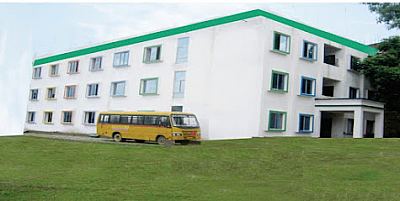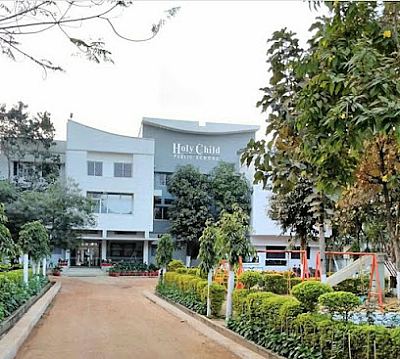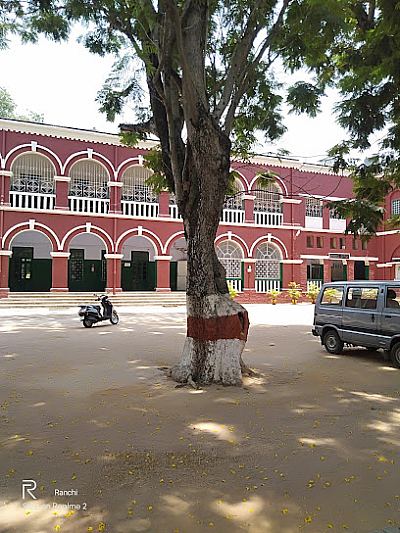

Bishop Westcott Girl’s School stands as a proud symbol of academic excellence, discipline, and value based education. Established in the year 1921 by Rt. Rev. (Dr.) Foss Westcott, the institution has grown over the decades into one of the most respected educational establishments for girls. With a rich history rooted in tradition and a progressive outlook toward the future, the school continues to shape young minds into confident, responsible, and compassionate individuals.
About Bishop Westcott Girls’ School, Ranchi, Jharkhand
Originally founded as an Anglican institution, Bishop Westcott Girl’s School is now under the administration of the Chotanagpur Diocese, which is a part of the Church of North India. While its foundation is deeply connected to Christian values, the school embraces diversity and inclusivity. It welcomes students from all communities, cultures, and backgrounds, fostering an environment of mutual respect and unity.
A Tradition of Excellence
From its inception, the vision behind Bishop Westcott Girl’s School was not limited to imparting textbook knowledge. Instead, it aimed to nurture well rounded individuals who would contribute meaningfully to society. Over the years, the school has remained committed to this mission by continuously upgrading its academic standards, teaching methods, and facilities.
Today, the school provides quality education to more than 2000 students. It caters to both boarders and day scholars, ensuring that every student receives equal attention, care, and opportunities for growth. The medium of instruction is English, which helps students develop strong communication skills and prepares them to compete in a global environment.
Academic Services and Learning Approach
At the core of Bishop Westcott Girl’s School lies a strong academic framework. The school offers a well structured curriculum that balances theoretical knowledge with practical understanding. Teachers are highly qualified, experienced, and dedicated to nurturing each student’s potential.
The academic services include:
Comprehensive Curriculum: Designed to meet modern educational standards while maintaining traditional values.
Interactive Teaching Methods: Use of discussions, projects, presentations, and digital tools to make learning engaging.
Regular Assessments: Continuous evaluation through tests, assignments, and exams to track student progress.
Personalized Attention: Teachers focus on individual strengths and weaknesses, ensuring no student is left behind.
Language Development: Special emphasis on English communication skills, along with support for other languages.
The school encourages curiosity and critical thinking, helping students become independent learners rather than passive recipients of information.
Services
Contact Information
Location Map
📍 Open in Google Maps / Get DirectionsFrequently Asked Questions
Reviews
Similar Businesses Nearby