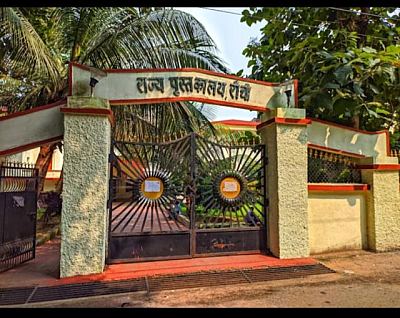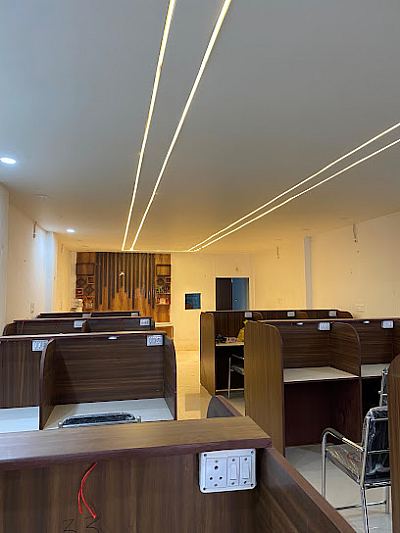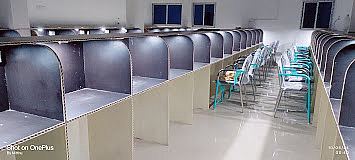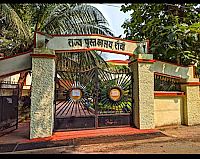

The State Library Jharkhand stands as a symbol of knowledge, learning, and public service, serving generations of readers since its establishment in 1953. What began as a small library in a rented space near Sahid Chowk has grown into an important educational hub for students, researchers, and the general public. Over the years, it has played a significant role in promoting literacy and providing access to books, newspapers, and valuable reference materials. With the development of a dedicated building and improved infrastructure, the library expanded both its collection and services. Today, it continues to support education and intellectual growth, offering a welcoming space for readers from all backgrounds. Its journey reflects dedication to learning and its commitment to evolving with the needs of the community.
About State Library, Ranchi, Jharkhand
The story of the State Library Jharkhand is not just about a building filled with books; it reflects a long journey of growth, adaptation, and commitment to public education. Established in 1953, the library initially operated from a rented building near Sahid Chowk, where it quickly became a valuable resource for students, scholars, and curious readers despite limited facilities.
In those early years, the library offered essential services with a small yet meaningful collection of books, newspapers, and reference materials. The staff worked with dedication to maintain order and ensure accessibility, helping create a culture of reading and learning in the region. As more people began to rely on its services, the need for a larger and more permanent space became increasingly important.
Responding to this demand, the government took steps to construct a dedicated building, marking a turning point in the library’s development. The new location brought improved infrastructure, better reading spaces, and the ability to systematically expand its collection.
Over time, the library underwent multiple upgrades and expansions to accommodate a growing number of visitors and evolving reader needs. Today, it continues to serve as an essential center for education and knowledge, adapting to modern demands while preserving its core mission of public learning and accessibility.
Services
Contact Information
Location Map
📍 Open in Google Maps / Get DirectionsFrequently Asked Questions
Reviews
Similar Businesses Nearby