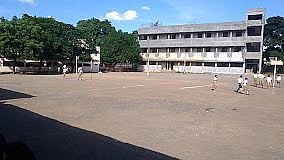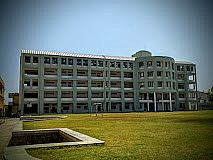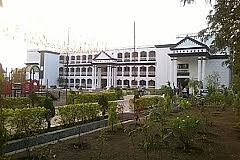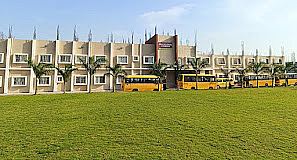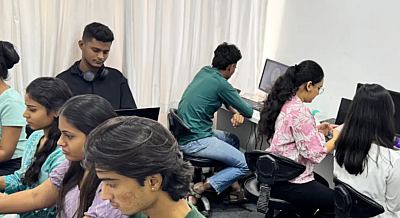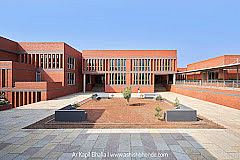
Veenadevi Darda School Lohara, Yavatmal, Maharashtra

Education is often defined as the process of acquiring knowledge, skills, values, and attitudes that help individuals function as responsible members of society. However, the deeper, more profound aspect of education goes beyond the mere act of learning facts and figures. True education should allow students the freedom to explore the vast expanse of knowledge available to them, both the known and the unknown, and to develop the ability to critically analyze and differentiate between the right and the wrong. This holistic approach, which focuses on empowerment, discovery, and critical thinking, should be the very essence of a child’s educational journey.
About Veenadevi Darda School Lohara, Yavatmal, Maharashtra
In an era marked by rapid technological advancements and access to endless information, it is crucial that we reshape our understanding of what it means to be educated. The goal is not just for students to memorize information but to question, analyze, synthesize, and apply that knowledge in meaningful ways. To achieve this, we must encourage children to take ownership of their learning, to explore beyond the boundaries of traditional textbooks, and to engage with the world around them with curiosity, open mindedness, and an understanding of their role as global citizens.
This understanding can transform the teacher student relationship, making it not one of mere instruction, but a collaborative journey of mutual enlightenment and empowerment. Let us delve deeper into the role that freedom, exploration, critical thinking, and the teacher’s guidance play in shaping a truly transformative educational experience.
Freedom to Explore: The Foundation of Curiosity
From a young age, children possess an inherent curiosity about the world around them. Whether it is through their questions, their observations, or their desire to explore, children are naturally inclined to seek answers to the mysteries they encounter. Unfortunately, the traditional education system in many places often limits this curiosity by imposing rigid curricula, standardized testing, and a singular approach to learning. This is where the need for freedom to explore becomes paramount.
When students are allowed the freedom to explore both known and unknown realms of knowledge, they are not bound by the constraints of predefined learning paths. They are encouraged to venture into diverse fields, from scientific research to art, from literature to technology, without fear of judgment or failure. By giving them the space to discover, we allow them to embrace their interests and passions. This, in turn, sparks intrinsic motivation and self directed learning, which are key drivers of personal growth and intellectual achievement.
Moreover, the act of exploration helps students develop problem solving skills, as they learn to approach questions and challenges from multiple perspectives. They become more resourceful and adaptable, equipping them with the tools they need to succeed in an increasingly complex world.
The Role of Teachers: Guides, Mentors, and Facilitators
While students are encouraged to explore freely, the role of the teacher cannot be understated. Teachers are more than just instructors; they are guides, mentors, and facilitators who play a crucial role in shaping a student’s educational journey. The teacher’s responsibility is not merely to transmit information but to create an environment where students feel empowered to take ownership of their learning.
Teachers can achieve this by fostering a classroom environment that is inclusive, collaborative, and supportive. They can encourage students to ask questions, challenge assumptions, and engage with material in a manner that promotes deep understanding, rather than rote memorization. The ultimate goal is to nurture students who do not just know answers but who are capable of asking the right questions those that drive critical thinking, spark innovation, and foster intellectual curiosity.
This type of teaching requires a shift away from the traditional model of instruction, where the teacher is the sole authority and knowledge is a one way flow. Instead, the teacher becomes a facilitator of learning, a figure who provides students with the tools, resources, and encouragement they need to navigate their own educational journeys. Teachers help students make connections between concepts, relate ideas to real world scenarios, and foster a love of learning that extends beyond the classroom.
Critical Thinking: The Heart of Education
At the core of true education is the ability to think critically. Critical thinking involves the ability to analyze, evaluate, synthesize, and apply information in a thoughtful and deliberate manner. It requires students to assess the validity of ideas, make informed decisions, and understand the complexities of the world they inhabit.
When students are empowered with critical thinking skills, they are no longer passive recipients of information. Instead, they actively engage with the material, questioning assumptions, considering alternative perspectives, and drawing their own conclusions. They are encouraged to think for themselves, to form independent opinions, and to challenge ideas in a constructive way. This ability to engage critically with information is essential, particularly in an era where misinformation and “fake news” are prevalent.
Critical thinking also plays a crucial role in helping students differentiate between the right and the wrong. As they analyze various ideas, they begin to understand the moral and ethical dimensions of the topics they encounter. They become more aware of the social, cultural, and political implications of their decisions and actions, both in the classroom and in the broader world.
Ethical Education: Nurturing Responsible Citizens
Education is not just about imparting academic knowledge; it is about helping students develop into responsible, compassionate, and ethical individuals. One of the most important lessons a child can learn is how to differentiate between right and wrong, not just in theory, but in practice. This lesson is often best taught through values based education that emphasizes principles such as honesty, integrity, empathy, and respect for others.
As students explore different subjects and ideas, they should be encouraged to reflect on the ethical implications of their learning. Teachers can integrate discussions on moral values into their lessons, encouraging students to consider the impact of their decisions on others and on society as a whole. This kind of education cultivates empathy, a deep understanding of the human experience, and a sense of responsibility toward the greater good.
By incorporating ethical education into their teaching, educators help students build strong moral foundations that will guide them throughout their lives. Students learn that education is not just about gaining knowledge but about using that knowledge for the betterment of themselves and their communities.
Services
Contact Information
Location Map
📍 Open in Google Maps / Get DirectionsFrequently Asked Questions
Reviews
Similar Businesses Nearby