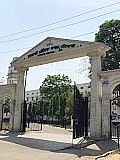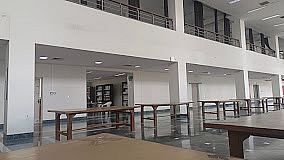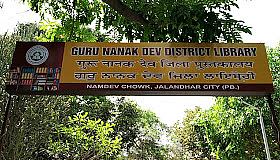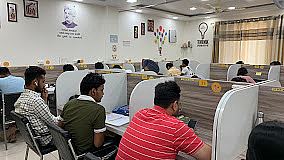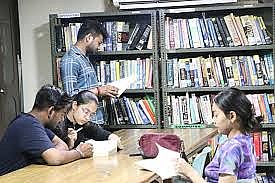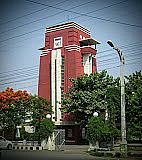

The Musafir Memorial Central State Library is not just a building filled with books; it is a living chronicle of Punjab’s administrative, cultural, and intellectual journey over the past several decades. Its story is closely tied to the political evolution of the region, the reorganization of states in post independence India, and the growing need to preserve knowledge and make it accessible to the public. What began as a modest public library in the mid 20th century has now grown into one of the most significant state libraries in Punjab, serving students, researchers, readers, and lifelong learners.
About MM Central State Library, Patiala, Punjab
The foundation of this prestigious institution dates back to 1955, when the government of PEPSU (Patiala and East Punjab States Union) decided to establish a central public library for its citizens. The idea behind creating such a library was simple yet powerful: to provide free and organized access to knowledge for the public, encourage reading habits, and support education in a newly developing administrative state.
In 1956, the library was officially opened to the public on 23rd July. At that time, it functioned as the Central Public Library of PEPSU, and it quickly became an intellectual hub for students, government officials, and citizens who were eager to explore books beyond school textbooks. The collection initially included general literature, historical works, reference materials, and government publications.
The establishment of the library marked an important step in democratizing knowledge in the region. In a time when access to books was limited and private collections were rare, this institution became a gateway to learning for thousands of people.
Transition After Merger with Punjab (1956,1966)
The very same year the library opened, a major administrative change reshaped its identity. In 1956, PEPSU was merged with the larger Punjab State as part of the reorganization of states in India. This political shift had a direct impact on the library’s role and classification.
Following the merger, the library was re designated as the State Library for the regions that were formerly part of PEPSU. Meanwhile, another central library in Chandigarh was assigned responsibility for the remaining areas of Punjab.
Services
Contact Information
Location Map
📍 Open in Google Maps / Get DirectionsFrequently Asked Questions
Reviews
Similar Businesses Nearby