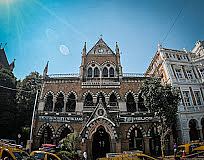
David Sassoon Library and Reading Room in Mumbai, Maharashtra

In the ever moving, never pausing city of Mumbai, where glass towers rise beside colonial relics and the Arabian Sea hums in the background, there stands a structure that feels like a pause button in time. The David Sassoon Library and Reading Room is not merely a building filled with books it is a living memory, a sanctuary of intellect, and a quiet rebellion against the chaos outside its gates.
About David Sassoon Library and Reading Room in Mumbai, Maharashtra
Built in 1870, the library owes its existence to the philanthropic vision of David Sassoon, a name that resonates across Mumbai’s history. Sassoon was part of a family that contributed immensely to the city’s cultural and economic landscape. While many of their contributions were commercial, this library stands out as a gift to the mind a place meant not for profit, but for growth.
Architecturally, the building is a fine example of Venetian Gothic style, a European design language adapted beautifully to Indian conditions. The structure is made of yellow Malad stone, giving it a warm, sunlit glow that changes character throughout the day. Arched windows, intricate carvings, and a grand staircase create an atmosphere that feels closer to a European institution than a typical Indian public library.
Yet, despite its colonial roots, the library has been thoroughly absorbed into Mumbai’s identity. It does not feel foreign; it feels foundational.
A Silent Witness to History
The David Sassoon Library has stood through some of the most transformative chapters in Indian history. From the late colonial era to the rise of the independence movement, and from the early decades of nation building to the digital age, this institution has quietly observed everything.
It has seen readers in British era attire flipping through newspapers under dim lamps. It has hosted scholars who debated ideas that would shape modern India. It has witnessed the shift from handwritten notes to laptops, from printed encyclopedias to digital databases.
Services
Contact Information
Location Map
📍 Open in Google Maps / Get DirectionsFrequently Asked Questions
Reviews
Similar Businesses Nearby