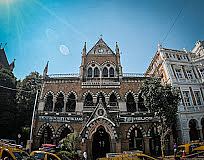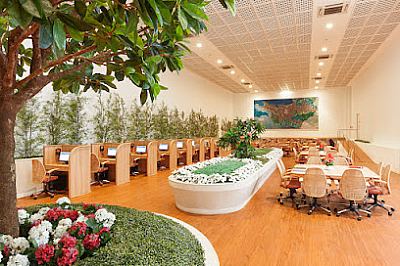
Nehru Centre Library in Mumbai, Maharashtra

The story of the Nehru Centre Library is one of modest beginnings, steady growth, and a deep commitment to supporting knowledge seekers. Established in 1977, the library did not begin as the large, resource rich institution it may be today. Instead, it started as a small, internal facility designed primarily to assist researchers who needed access to reliable information and scholarly materials.
About Nehru Centre Library in Mumbai, Maharashtra
In its earliest phase, the library functioned as an in house resource center. Its primary goal was to support research activities, and it was tailored to meet the needs of scholars who required a quiet and focused environment. Unlike modern libraries that often begin with extensive planning and significant funding, this library grew organically. Its foundation was built on goodwill, collaboration, and a shared belief in the importance of knowledge.
One of the most remarkable aspects of the library’s early development was its collection. Rather than being purchased in bulk or sourced through institutional budgets, the majority of the books were donated. Generous individuals contributed their personal collections, offering valuable academic and scientific resources. These contributions were not just books they represented trust, community spirit, and a collective investment in learning. Each donated volume added depth and diversity to the library’s offerings, helping to create a well rounded resource base despite limited initial funding.
Physically, the library was quite compact in its early days. It was located on the 7th floor of the Sterling Centre, occupying an area of approximately 1,500 square feet. Within this relatively small space, the library managed to house around 2,500 books along with a selection of scientific journals. Though modest in size, the space was carefully organized to ensure that users could easily access the materials they needed. Shelves were arranged to maximize capacity, and reading areas were designed to provide a comfortable environment for study and research.
Despite its limited size and resources, the library quickly became an important hub for research scholars. It offered essential services that supported academic work, including access to reference materials, journals, and quiet study spaces. Scholars who used the library appreciated its focused collection, which, though not vast, was highly relevant to their research needs. The presence of scientific journals was particularly valuable, as these provided up to date information and insights into ongoing developments in various fields.
The services offered by the library, even in its early stage, were thoughtfully aligned with the needs of its users. Researchers could consult books and journals within the library premises, take notes, and engage in in depth study sessions. The environment encouraged concentration and intellectual engagement, making it a preferred spot for scholars who required uninterrupted time for their work. The library staff, though likely small in number, played a crucial role in maintaining the collection, organizing materials, and assisting users in locating resources.
Services
Contact Information
Location Map
📍 Open in Google Maps / Get DirectionsFrequently Asked Questions
Reviews
Similar Businesses Nearby