National Library in Mumbai, Maharashtra

The term “National Library in Mumbai, Maharashtra” is often used by students and readers, but it creates a bit of confusion in real terms. India’s officially designated National Library is actually located in Kolkata, at Belvedere Estate. However, Mumbai India’s financial and cultural hub does not have a single institution formally titled “National Library.” Instead, it hosts several major public and institutional libraries that together perform a similar role for Maharashtra’s vast reading community.
About National Library in Mumbai, Maharashtra
To answer your request in a meaningful and human style way, this description will focus on the idea of a “National Library experience in Mumbai” covering the closest equivalent institutions, especially the major libraries in Mumbai and how they function, their services, atmosphere, and importance in education and culture. This will also include how libraries in Mumbai, Maharashtra serve millions of learners, researchers, and book lovers in a uniquely vibrant way.
The Idea of a “National Library” in Mumbai
Mumbai is a city that never stops moving trains rushing, offices buzzing, film studios active, and markets alive at every hour. In such a fast paced environment, libraries act as silent sanctuaries of knowledge. While there is no official “National Library Mumbai,” the city’s major libraries collectively serve a national level academic and cultural purpose.
Among them, the most notable include:
Asiatic Society of Mumbai Library (Town Hall Library)
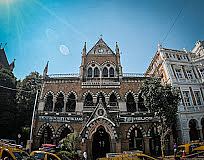
David Sassoon Library (Fort area)
State Central Library (Bandra)
University of Mumbai Library
British Council Library (now digital focused services)
Each of these institutions carries historical importance, rare collections, and academic services that together reflect what a “national level library system” would look like in Mumbai.
Historical Background of Libraries in Mumbai
The library culture in Mumbai dates back to the British colonial era. During the 19th century, Mumbai (then Bombay) became a major port city and educational hub. Traders, scholars, administrators, and reformers established reading rooms and libraries to promote learning.
The Asiatic Society of Mumbai, founded in 1804, is one of the oldest knowledge institutions in India. Its library became a treasure house of rare manuscripts, ancient texts, maps, and colonial records. Over time, other libraries like the David Sassoon Library (built in 1870) expanded access to reading for the public.
These institutions shaped the intellectual foundation of modern Mumbai, supporting researchers, students, writers, and historians.
Services
Contact Information
Location Map
📍 Open in Google Maps / Get DirectionsFrequently Asked Questions
Reviews
Similar Businesses Nearby